


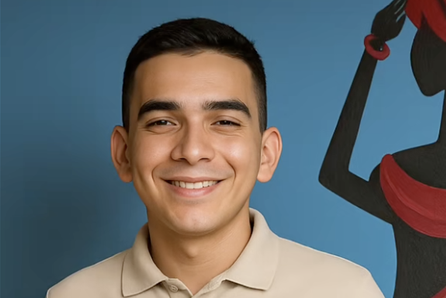
Maikel Enrique Moreno Ramírez, 20, is a barber from Maracaibo, Zulia, Venezuela. His mother, Joana Ramírez, says he has no tattoos, no piercings, and no gang ties. “My son is not a criminal,” she said in a video.
Maikel traveled to the U.S. pursuing the American dream but was arrested at an ICE check-in in Las Vegas in September 2024. Although his family was told he could be released on an $8,000 bond, they couldn’t afford it.
His father said U.S. authorities pressured Maikel to sign a statement admitting gang affiliation, which he refused. While detained in Texas, Maikel made a video with other detainees denouncing poor treatment and conditions.
On March 14, Maikel called his father, optimistic after hearing deportations to Venezuela were approved. But he never arrived home. Instead, he is believed to have been sent to CECOT prison in El Salvador, along with over 250 other Venezuelans.
Human rights groups have condemned CECOT’s conditions as inhumane and isolating, with no access for families or lawyers and constant surveillance.
Maikel Enrique Moreno Ramírez, 20, is from Maracaibo, in the Zulia state of Venezuela. “My son has no tattoos, my son has no earrings, my son has none of those things, my son is not a criminal,” Maikel’s mother, Joana Ramírez, said in a social media video. “He is not part of any gang, he’s not part of Tren de Aragua,” she added.
Maikel is a barber who traveled to the US for “the American dream” Joana said. He was arrested when attending an immigration check-in with ICE in Las Vegas in September 2024. His mother was informed in October 2024 that he would be released if he could pay an $8,000 bond but his family couldn’t come up with that much money.
His father told Human Rights Watch researchers that while in custody, US authorities “kept pressuring him to sign a document stating he was a member of the criminal group, and that by signing it, he would be deported to Venezuela.”
Maikel told his father that the government provided translators, but that they told him the document stated he was a member of Tren de Aragua. According to Maikel’s father, he never signed any paperwork.
While in detention in Texas, the third detention facility he was held in, his father reports that Moreno Ramírez made a video along with other detainees where they gave testimony about the poor conditions and mistreatment.
On Friday, March 14, Maikel called his father to say he was happy because they told him deportations to Venezuela had already been approved. That is the last his family heard from Maikel, because he never made it to Venezuela, instead it appears he, like 252 other young Venezuelan men, was sent to CECOT prison.
According to Noah Bullock of the Human Rights group, Cristosal, “there’s an implicit cruelty and dehumanization in the treatment of the prisoners [at CECOT]. They leave the lights on 24 hours a day. The overcrowding is excessive. Families and lawyers do not have access to the prisoners. They’re entirely cut off.”
Maikel Enrique Moreno Ramírez, de 20 años, es barbero y oriundo de Maracaibo, estado Zulia, Venezuela. Su madre, Joana Ramírez, afirma que no tiene tatuajes, ni perforaciones, ni vínculos con pandillas. “Mi hijo no es un criminal”, dijo en un video.
Maikel viajó a Estados Unidos en busca del sueño americano, pero fue arrestado durante una cita con ICE en Las Vegas en septiembre de 2024. Aunque a su familia le informaron que podría ser liberado con una fianza de 8.000 dólares, no pudieron reunir el dinero.
Su padre contó que las autoridades estadounidenses presionaron a Maikel para que firmara una declaración admitiendo pertenecer a una pandilla, cosa que él se negó a hacer. Mientras estuvo detenido en Texas, Maikel grabó un video junto a otros detenidos denunciando malas condiciones y malos tratos.
El 14 de marzo, Maikel llamó a su padre con optimismo tras escuchar que se habían aprobado deportaciones a Venezuela. Pero nunca llegó. Se cree que, al igual que más de 250 venezolanos, fue enviado a la prisión CECOT en El Salvador.
Organizaciones de derechos humanos han condenado las condiciones del CECOT como inhumanas y aislantes, sin acceso a familiares ni abogados, y con vigilancia constante.
Maikel Enrique Moreno Ramírez, de 20 años, es de Maracaibo, en el estado Zulia, Venezuela. “Mi hijo no tiene tatuajes, mi hijo no tiene aretes, mi hijo no tiene nada de esas cosas, mi hijo no es un criminal”, dijo Joana Ramírez, madre de Maikel, en un video en redes sociales. “Él no pertenece a ninguna pandilla, no es parte del Tren de Aragua”, añadió.
Maikel es barbero y viajó a Estados Unidos en busca del “sueño americano”, según Joana. Fue arrestado en septiembre de 2024 durante una cita con Inmigración (ICE) en Las Vegas. En octubre de 2024, su madre fue informada de que sería liberado si podían pagar una fianza de 8.000 dólares, pero la familia no pudo reunir esa cantidad.
Su padre declaró a investigadores de Human Rights Watch que, mientras estaba bajo custodia, las autoridades estadounidenses “insistían en que firmara un documento en el que admitiera ser miembro de un grupo criminal, y que al firmarlo, sería deportado a Venezuela”.
Maikel le contó a su padre que el gobierno le asignó traductores, pero que ellos le dijeron que el documento indicaba que era parte del Tren de Aragua. Según su padre, Maikel nunca firmó ningún documento.
Durante su detención en Texas —el tercer centro de detención donde fue trasladado—, su padre reporta que Maikel grabó un video junto a otros detenidos en el que denunciaban las malas condiciones y el maltrato que sufrían.
El viernes 14 de marzo, Maikel llamó a su padre para decirle que estaba contento porque le habían dicho que las deportaciones a Venezuela ya estaban aprobadas. Esa fue la última vez que la familia supo de él, ya que nunca llegó a Venezuela. Todo indica que, como otros 252 jóvenes venezolanos, fue enviado a la prisión CECOT en El Salvador.
Según Noah Bullock, de la organización de derechos humanos Cristosal, “hay una crueldad implícita y deshumanización en el trato a los prisioneros en CECOT. Las luces están encendidas las 24 horas del día. El hacinamiento es excesivo. Las familias y abogados no tienen acceso a los detenidos. Están completamente incomunicados”.




Leave a Reply